
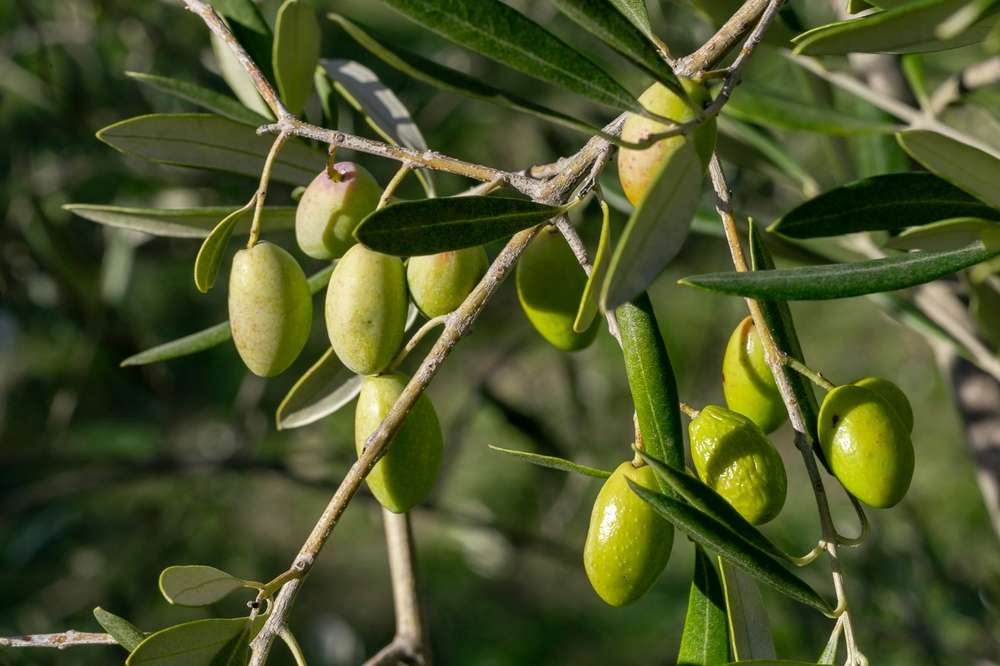
Before wine, before lavender, even before bouillabaisse, there was the olive tree. For over 2,500 years old, This majestic tree is an integral part of the civilisation of Provence, providing the golden oil that is the basis of all Mediterranean cuisine. Here's everything you need to know about olive oil from Provence: its history, varieties, production and where to taste it.
The olive tree in Provence: a history going back more than 2,500 years
It's up to Greeks of Phocaea, The olive tree was introduced to Provence by the people of Massalia in the 6th century BC. There are now over a million olive trees in Provence. To find out everything you need to know about our terroir, visit our page Vineyards in Provence and our history of the estate.
Olive varieties and PDOs of Provence
The main protected designations of origin
Four PDO govern olive oil production in Provence: AOP Vallée des Baux-de-Provence, AOP Haute-Provence, AOP Nice and AOP Aix-en-Provence. To find out more about the region's culinary heritage, visit our page Gastronomy will guide you.
Emblematic varieties
L'Aglandau produces a powerful oil with notes of raw artichoke and pepper. La Salonenque produces a sweeter, fruitier oil. These oils can be found in the combinations created by the chefs at Garden of Berne.
How is quality olive oil produced?
Harvesting: by hand for the best oils
For high quality extra virgin olive oils, the olives are picked by hand between October and January. It is with this same philosophy of respect for the product that the Garden of Berne works with local producers, an approach rewarded by our lasting commitment.
First cold pressing: the secret of finesse
The oil is extracted cold (below 27°C) to preserve all the aromas and nutritional properties. The result is an extra virgin oil of incomparable freshness.
How to enjoy and use Provençal olive oil?
Culinary pairings not to be missed
A good olive oil from Provence deserves to be enjoyed raw: poured over a slice of toast with a pinch of fleur de sel, it immediately reveals its character. During your stay, our cooking class will teach you how to use it like a chef.
Château de Berne and its commitment to local produce
At Château de Berne, respect for the terroir of Provence is at the heart of every dish. This approach to short circuits and sustainable agriculture has earned the restaurant a Michelin green star. To find out more about our commitments, visit our Our values.